
bali 2026impact report

What if a festival left nothing behind?
Bali produces 1.6 million tonnes of waste a year.
Most of it ends up burned, buried, or in the ocean.
Day Zero 2026 was built to invert that equation.
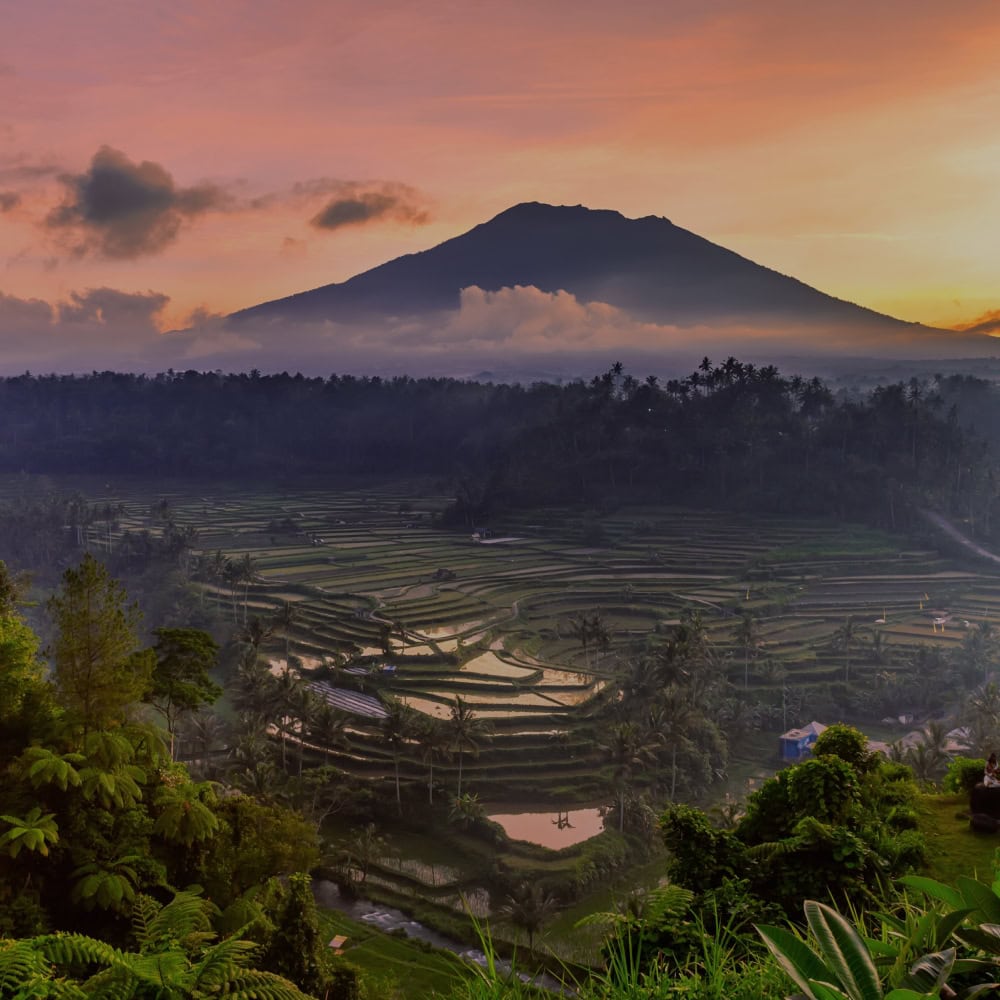

0%
To Landfill · To Waterway · To Burn Pile
This wasn't a cleanup. It was a circular system.
Every material that entered the festival was chosen weeks before for one reason - it could be recovered through a verified circular channel in Bali. If we couldn't recycle it, it didn't come in.
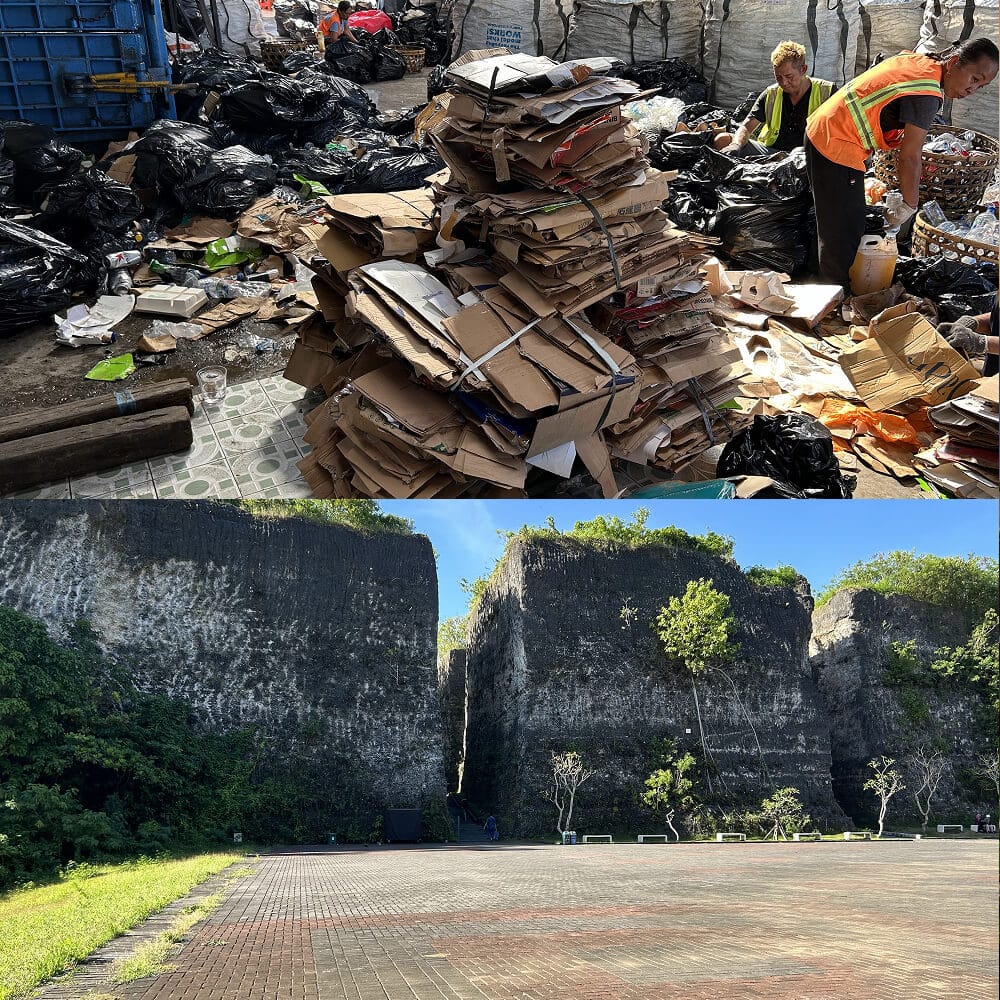

WHAT MOVED THROUGH THE SYSTEM.
1,441kg+
Material Recovered
675kg
Paper & Cardboard
48,000
Individual Items Sorted
12,000kg
Compost Created
38,000
Aluminium Cans Recycled
-90%
Plastic Reduction
0%
Waste Leakage

PREVENTED BEFORE IT EVER ENTERED THE ATMOSPHERE.
23.2
tonnes co₂ emissions
=
·small forest of 1,050 trees absorbing carbon for a year.
·the annual footprint of approximately 5 average households.

FROM FLUSH TO FLOWER.
60
Toilets deployed
0L
Water used
12,000kg
Compost Created


SOCIAL IMPACT
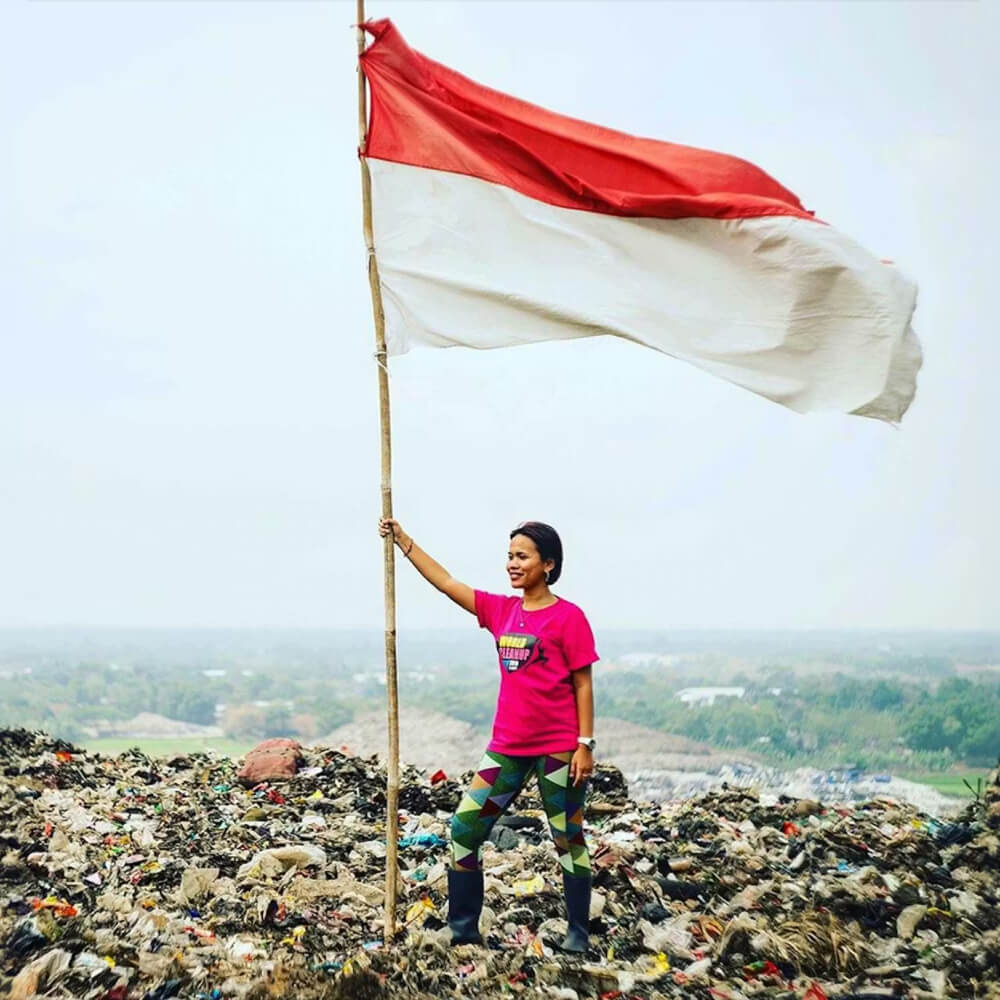
100% revenue from recovered materials launched the women waste collectors association - Bali Chapter
Training. Formal employment. Fair wages. Dignity for the women who hold up Bali's recycling system.

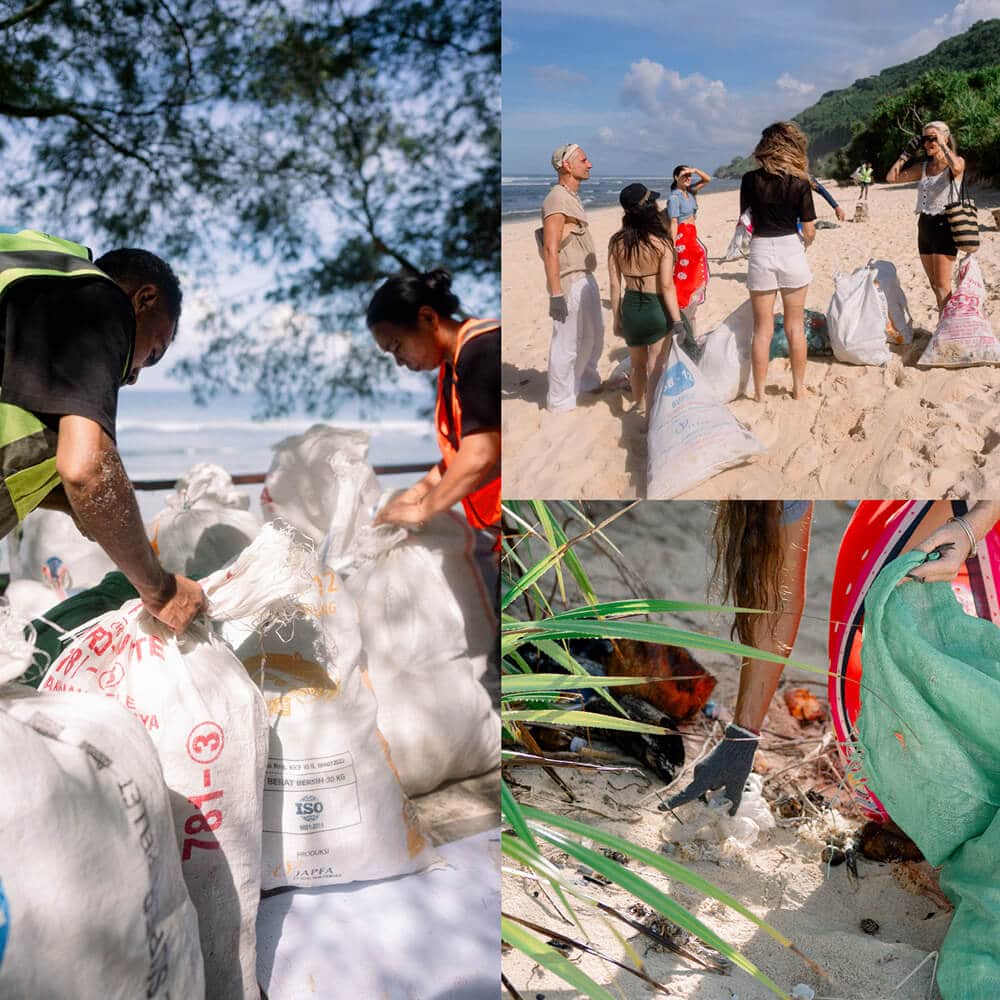
Clean up · Nyang Nyang, Uluwatu
+1 Tonne
For every gram of plastic we couldn't remove on site, we took more plastic out of the ocean. One week before the festival began, 20 volunteers cleaned Uluwatu's largest coastline at sunrise.

in partnership with


